
Comparative Analysis: Schizochytrium Powder Vs Fishmeal in Feed Applications
Jul 22, 2024
In the realm of animal feed formulations, the choice between Schizochytrium powder and fishmeal is influenced by several factors including sustainability, nutritional profiles, and environmental impact. Each ingredient offers distinct advantages, catering to specific requirements in the aquaculture, poultry, and livestock industries.

Schizochytrium Powder: A Cultivated Marine Microbe
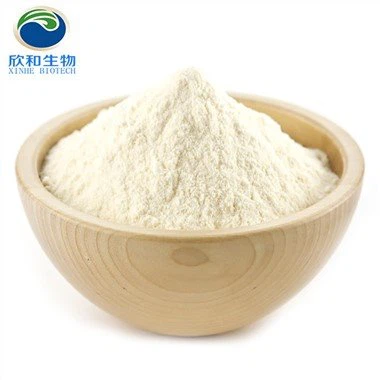
Schizochytrium powder originates from microalgae specifically cultivated under controlled conditions, which allows for a sustainable and eco-friendly production process. This powder is derived from the microalgae Schizochytrium, a species capable of accumulating high concentrations of fatty acids and other nutrients. The cultivation involves oxygen-consuming fermentation, followed by harvesting, drying, and milling to create a refined product. The cultivation process ensures consistency and reliability, making Schizochytrium powder a dependable source of nutrients.
Fishmeal: A Byproduct of Fishing Industries
Fishmeal, on the other hand, is typically produced from fishery byproducts and low-value fish resources. The raw materials, which can include whole fish, viscera, bones, and heads, undergo industrial processing that includes cooking, pressing to remove oil, drying, and grinding. This method utilizes resources that might otherwise go to waste, but the availability and sustainability of fishmeal can fluctuate depending on fishing seasons and catch variability. Additionally, concerns over overfishing and environmental impact have led to increased scrutiny regarding the use of fishmeal.
Nutritional Composition and Benefits
Schizochytrium Powder: A Rich Source of DHA
One of the key distinctions of Schizochytrium powder is its high concentration of polyunsaturated fatty acids, notably docosahexaenoic acid (DHA), with relatively low levels of eicosapentaenoic acid (EPA). Schizochytrium algae are adept at synthesizing DHA, making this powder a potent addition to animal feeds. This characteristic is particularly advantageous in enhancing the Omega-3 fatty acid content in the food chain, contributing to human health benefits.
Moreover, Schizochytrium powder contains proteins, minerals, vitamins, and secondary metabolites beneficial for animal health. Its inclusion in diets for aquatic species, poultry, and mammals promotes juvenile development, enhances the nutritional value of eggs and meat, and supports immune system function and overall wellness.
Fishmeal: A Comprehensive Protein Source
Fishmeal's nutritional profile varies based on the original fish source, but it is universally recognized as a superior animal protein source. It provides a balanced amino acid spectrum that is easily digestible. Besides protein, fishmeal is rich in phospholipids, trace elements, and vitamins A and D. These components contribute significantly to the growth performance and meat quality enhancement in livestock.
However, the DHA and EPA content in fishmeal depends on the type of fish used and can be susceptible to oxidation during processing, potentially resulting in lower DHA retention compared to Schizochytrium powder. The presence of high EPA in fishmeal can sometimes be detrimental to the growth of certain early life stages in aquaculture.
Application and Conclusion
The selection between Schizochytrium powder and fishmeal in feed formulations hinges on the desired nutritional outcomes and environmental considerations. Schizochytrium powder, with its efficient and stable DHA supply, excels in scenarios requiring targeted nutritional supplementation and feed optimization. Meanwhile, fishmeal remains a cornerstone in animal feed due to its comprehensive nutrient profile and protein richness.
Balanced utilization of both ingredients can lead to enhanced animal health, improved product quality, and reduced environmental footprint. The integration of Schizochytrium powder alongside traditional fishmeal in feed formulations not only diversifies nutrient sources but also supports sustainable practices in the global animal feed industry. This synergy fosters a more resilient and environmentally conscious approach to animal husbandry and aquaculture, benefiting producers and consumers alike.